
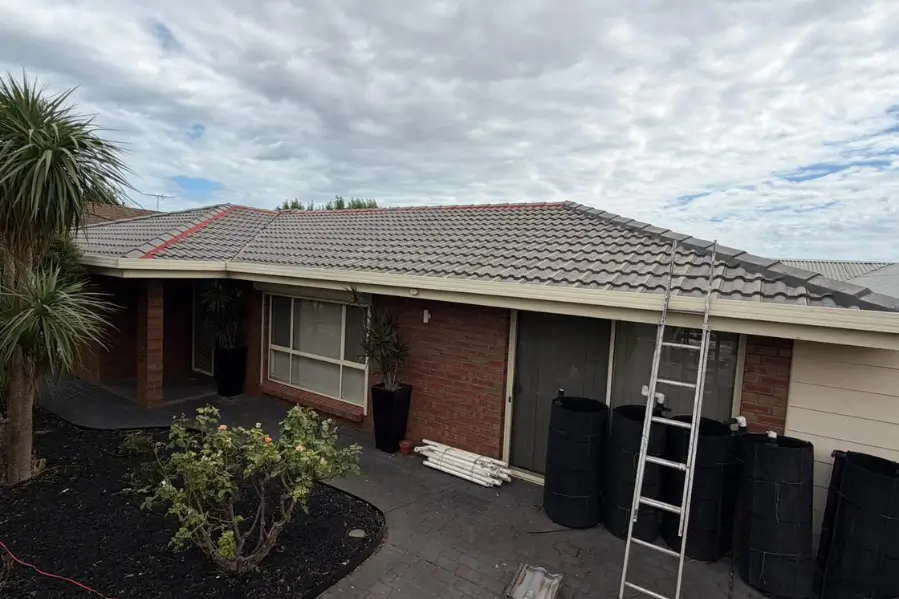
Repair your roof when the damage is limited and the rest of the roof is still in good condition. Replacement is usually the better choice when damage is widespread, leaks keep returning, the roof is badly deteriorated, or its remaining service life is limited. In some cases, roof restoration can be the middle ground between a simple repair and a full replacement.
A roof problem rarely comes with a simple yes-or-no answer. A cracked tile, loose ridge cap or small leak may be repairable, while widespread corrosion, repeated leaks or structural deterioration may justify replacing the roof. Knowing the difference can help you avoid both unnecessary replacement and repeated repair bills.
What is the difference between roof repair and roof replacement?
Roof repair fixes a specific problem, while roof replacement involves removing and replacing a significant portion or the entire existing roofing system.
A repair may involve replacing a handful of broken tiles, fixing flashing, repairing a leak, securing loose metal sheets or addressing damaged ridge capping.
Replacement is a much larger project. It can involve removing the existing roof covering, assessing the underlying components, replacing damaged materials and installing a new roofing system.
| Factor | Roof Repair | Roof Replacement |
|---|---|---|
| Scope | Localised problem | Widespread or end-of-life problems |
| Typical work | Leak, tile, flashing or ridge cap repair | Full or substantial roof replacement |
| Upfront cost | Usually lower | Usually higher |
| Disruption | Generally less | Generally more |
| Best suited to | Sound roofs with isolated damage | Severely deteriorated or ageing roofs |
| Long-term solution | Extends existing roof life | Provides a new roofing system |
Long Life Roofs provides both roof repair services and roof replacement services in Adelaide, depending on the condition and requirements of the roof.
When is roof repair the better option?
Roof repair usually makes sense when the problem is isolated and the underlying roof remains serviceable.
Common examples include:
- A few cracked or missing tiles
- A small roof leak
- Damaged flashing
- Loose ridge capping
- Minor metal roof corrosion
- Loose roofing screws or fixings
- Localised storm damage
- Small areas of damaged sealant
- A blocked or damaged drainage point
For example, if water is entering around a chimney because the flashing has deteriorated, replacing the flashing may solve the problem without replacing the entire roof.
Similarly, a tiled roof with a few broken tiles may only need targeted repairs.
If the problem is related to ridge capping, ridge capping repair and replacement can often address the issue without undertaking a full roof replacement.
The key is that the rest of the roofing system needs to be in reasonably good condition.
What are the signs that a roof can probably be repaired?
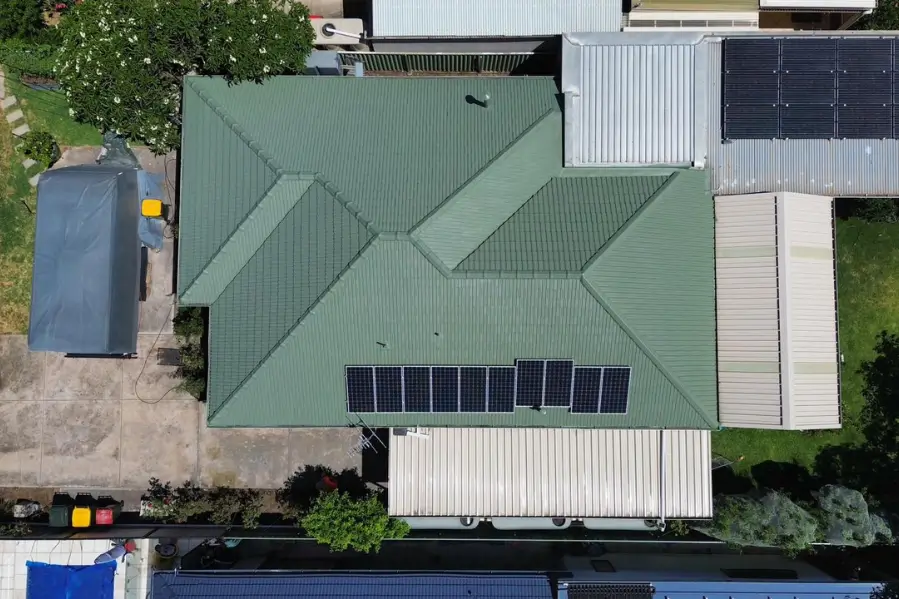
A roof is more likely to be repairable when:
- Damage is limited to one or a few areas.
- Most tiles or sheets remain in good condition.
- There is no significant sagging.
- The underlying roof structure is sound.
- Leaks are isolated rather than occurring throughout the roof.
- Previous repairs have generally been successful.
- The roof still has reasonable useful life remaining.
A professional inspection should still confirm this before deciding on repair.
One important point is that a roof leak does not automatically mean the roof needs replacing. The source could be something relatively localised, such as damaged tiles, flashing, ridge capping or another roof penetration.
For more information about common leak causes and repair options, see Long Life Roofs’ guide on how to fix a leaking roof.
When does a roof usually need replacement?
Replacement becomes more appropriate when the roof has widespread deterioration or problems that repairs can no longer reasonably solve.
Warning signs can include:
- Persistent or recurring leaks in multiple areas
- Extensive cracked or deteriorated tiles
- Severe rust or corrosion across metal roofing
- Large sections of damaged roofing
- Significant storm damage
- Sagging or uneven roof areas
- Deteriorated underlying components
- Frequent repairs that keep addressing new problems
- A roof that is approaching the end of its practical service life
For example, replacing one or two rusted metal sheets can make sense. But if corrosion is widespread across the roof, repeatedly replacing individual sheets may not be the most economical long-term solution.
Similarly, replacing a few tiles on an older roof is different from dealing with widespread tile deterioration across the entire roof.
Long Life Roofs’ roof replacement service covers tile, terracotta, Colorbond and other metal roofing systems, with the existing roof assessed before replacement work begins.
How does the age of a roof affect the repair-versus-replacement decision?
Roof age matters, but age alone should not determine the decision.
Two roofs of the same age can be in very different condition because of differences in:
- Roofing material
- Installation quality
- Weather exposure
- Maintenance
- Ventilation
- Drainage
- Previous repairs
- Storm or impact damage
An older roof that has been properly maintained may still be worth repairing or restoring.
On the other hand, a relatively newer roof with serious installation defects or extensive storm damage may require major work.
The better question is:
How much useful life does the existing roof have, and is further investment in it financially sensible?
Could roof restoration be a better option than either repair or replacement?
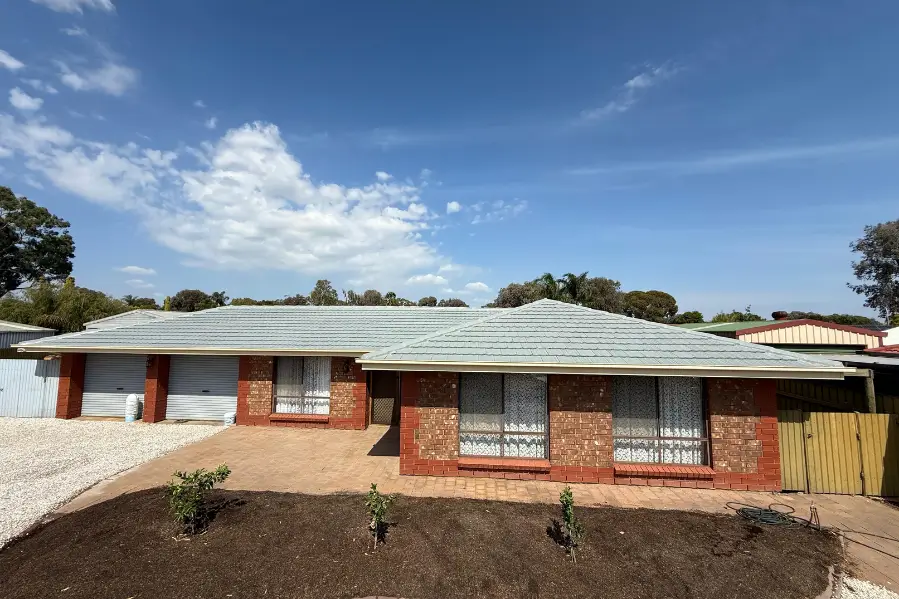
Yes. Roof restoration can be a practical middle option when the roof is worn but the underlying system is still suitable for continued use.
Restoration can involve several types of work, depending on the roof’s condition, including:
- Roof cleaning
- Replacement of damaged tiles
- Ridge capping repairs
- Repointing and rebedding
- Surface preparation
- Protective roof coatings
- Other targeted repairs
This is different from simply painting an old roof. Restoration should address the underlying defects before protective coatings are applied.
Long Life Roofs’ roof restoration services are designed for roofs where targeted repairs and restoration work can extend the useful life of the existing system.
You can also read what to look for when hiring a roof restoration company in Adelaide.
What roof problems usually require repair rather than replacement?
Some roofing problems are commonly suitable for targeted repair when the surrounding roof is healthy.
Broken or missing tiles
A small number of damaged tiles can generally be replaced individually rather than replacing the entire tiled roof.
Damaged flashing
Flashing around roof junctions, chimneys and other penetrations can deteriorate and allow water to enter. Localised flashing repairs or replacement may solve the problem.
Loose ridge capping
Cracked mortar or movement around ridge tiles can allow water penetration. Depending on the condition, repointing or rebedding may be sufficient.
Small metal roof damage
Individual sheets, fixings or small areas of corrosion may be repairable if the wider metal roof remains sound.
Isolated storm damage
If a storm damages only a limited section of the roof, repairing the affected area may be more appropriate than replacing an otherwise healthy roof.
What problems suggest that replacement may be more cost-effective?
The strongest indication is widespread deterioration rather than one isolated defect.
Consider replacement more seriously when:
- You are repeatedly paying for new repairs.
- Different areas of the roof are failing.
- Large portions of the roofing material have deteriorated.
- The roof has significant corrosion.
- There are structural concerns.
- Water damage extends beyond the original leak.
- The cost of continuing repairs is becoming difficult to justify.
A useful way to think about it is this:
One problem on a healthy roof = investigate repair.
Many problems on an ageing roof = investigate restoration or replacement.
The final decision should come from an inspection rather than a simple age or cost rule.
How can a roof inspection help you decide?
A proper inspection should look beyond the location where water happens to appear inside the house.
The assessment may consider:
- Roof covering condition
- Broken or displaced tiles
- Metal sheet condition
- Flashing
- Valleys
- Ridge capping
- Gutters and drainage
- Signs of water entry
- Roof structure and accessible supporting components
- Previous repair work
- Overall roof age and condition
This matters because water does not always enter directly above the visible ceiling stain. It can travel through roof spaces before appearing inside the home.
Long Life Roofs’ roof repair process begins with assessing the damaged area and checking surrounding roofing components rather than simply treating the visible symptom.
Is it cheaper to repair a roof than replace it?
Usually, yes, when the damage is genuinely localised.
A repair generally requires fewer materials and less labour than replacing an entire roofing system.
However, the cheapest option today is not necessarily the cheapest option over several years.
For example, imagine an ageing roof that requires:
- Repair this year
- Another leak repaired next year
- More damaged tiles replaced later
- Additional flashing work afterward
If problems continue appearing across the roof, the homeowner may eventually spend substantial money without addressing the underlying deterioration.
That is why the decision should consider both the immediate repair cost and the expected remaining life of the roof.
What should you do after discovering a roof leak?
Don’t ignore it.
Start by limiting interior water damage and then arrange an assessment to identify the actual source.
Look for:
- Ceiling or wall water stains
- Damp insulation
- Missing or cracked tiles
- Damaged ridge capping
- Deteriorated flashing
- Blocked gutters
- Visible daylight in the roof space
Avoid climbing onto a wet or damaged roof unless you have the appropriate experience and safety equipment. Roofing work presents significant fall risks.
If you need more information about common causes, Long Life Roofs’ leaking roof guide covers issues such as cracked tiles, ridge capping, flashing and blocked gutters.
How can regular roof maintenance delay expensive replacement?
Regular maintenance cannot make an ageing roof last forever, but it can help identify problems before they become more extensive.
Useful maintenance tasks include:
- Inspecting the roof periodically
- Replacing damaged tiles promptly
- Checking ridge capping
- Keeping gutters and downpipes clear
- Looking for early signs of corrosion
- Checking flashing around roof penetrations
- Removing damaging debris
- Addressing leaks quickly
For roofs affected by moss, lichen or accumulated debris, professional roof cleaning in Adelaide can also form part of a broader maintenance or restoration plan.
What is the simplest way to decide between roof repair and replacement?
Use the following checklist:
Choose repair when:
- Damage is localised.
- The majority of the roof is in good condition.
- There are no major structural concerns.
- The roof has useful life remaining.
- Previous repairs have solved similar problems.
Consider restoration when:
- The roof is worn but fundamentally sound.
- There are multiple repairable issues.
- The surface and protective components have deteriorated.
- You want to extend the roof’s useful life without a full replacement.
Consider replacement when:
- Damage is widespread.
- Leaks continue appearing in different areas.
- Corrosion or deterioration is extensive.
- The roof is approaching the end of its practical life.
- The underlying structure has significant problems.
- Continued repairs are becoming uneconomical.
What should you ask a roofing contractor before approving the work?
Don’t just ask, “How much will it cost?”
Ask:
- What is causing the problem?
- Is the damage isolated or widespread?
- Can the existing roof realistically be repaired?
- Would restoration be appropriate?
- What is the expected remaining life of the existing roof?
- What exactly is included in the quote?
- Are there any underlying problems that may need attention?
- What materials will be used?
- What workmanship and product warranties apply?
- Is the contractor appropriately licensed and insured?
A detailed scope of work makes it much easier to compare quotes accurately.
Frequently Asked Questions
Is it better to repair or replace a leaking roof?
Repair is usually better when the leak is isolated and the roof is otherwise sound. Replacement may be more appropriate when leaks are recurring or the roof has widespread deterioration.
How do I know if my roof needs replacing?
Look for widespread damage, repeated leaks, extensive corrosion, sagging, deteriorated materials and frequent repairs. A professional inspection can determine whether replacement is actually necessary.
Can an old roof be repaired instead of replaced?
Yes. An older roof can sometimes be repaired or restored if its underlying structure and major roofing components remain in suitable condition.
Is roof restoration the same as roof replacement?
No. Restoration works with the existing roofing system to repair, clean and protect it. Replacement involves removing and installing a new roofing system.
Does one roof leak mean I need a new roof?
No. One leak can result from a localised issue such as a broken tile, damaged flashing or ridge capping. The entire roof should be assessed before deciding on replacement.
How often should a roof be inspected?
The appropriate frequency depends on the roof’s age, material, condition and exposure to weather. Inspections are particularly important after major storms or when you notice leaks, damaged tiles or other warning signs.
Should I repair my roof myself?
Minor maintenance may be possible for experienced homeowners, but roof repairs involve fall and structural risks. Significant leaks, damaged roofing and work at height are better assessed and handled by a qualified roofing professional.
Final Takeaway: Should You Repair or Replace Your Roof?
Roof repair, restoration and replacement each have their place. A healthy roof with a localised problem usually does not need to be replaced. A worn roof with multiple repairable issues may benefit from restoration. But when deterioration is widespread or the roof has reached the end of its practical service life, replacement can provide a more sensible long-term solution.
The best decision comes from looking at the whole roofing system, not just the leak you can see.
For Adelaide homeowners, Long Life Roofs provides roof repairs, roof restoration, and roof replacement based on the condition and requirements of the property.
Leave A Comment