
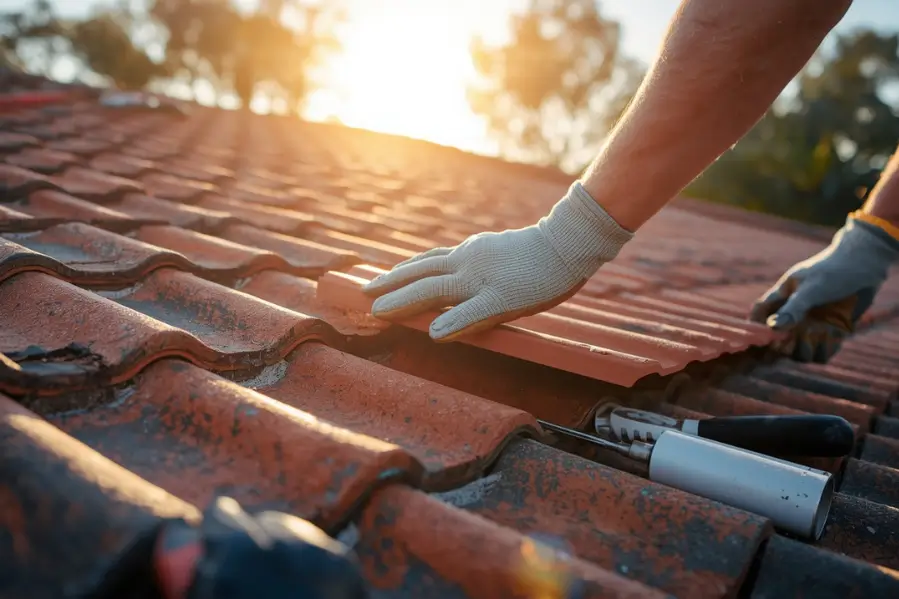
Keeping your roof in top condition is vital in Adelaide’s changing weather, from summer heatwaves to winter storms. Damaged or missing tiles can quickly lead to leaks, insulation issues, and costly repairs. Replacing roof tiles might sound intimidating, but with the right knowledge and preparation, it is entirely manageable for most homeowners or professionals.
This guide explains everything you need to know about how to replace roof tiles, including safety steps, tools, techniques, and maintenance tips to help your roof last for decades.
Key Takeaways
- Replacing damaged roof tiles promptly prevents leaks, mould, and structural issues.
- The most common roof tiles in Adelaide are concrete and terracotta, chosen for their heat resistance and durability.
- DIY repair is possible for minor damage, but professional help is safer for steep or complex roofs.
- Always use proper safety gear, inspect your roof twice a year, and clean gutters regularly to prevent damage.
- Keeping extra tiles from the same batch ensures consistent colour for future repairs.
- Professional roofers in Adelaide typically charge between 250 and 400 dollars for small repairs.
Why Is It Important to Replace Broken Roof Tiles Quickly?
Cracked or missing roof tiles might seem like a small issue, but they can cause significant damage over time. Here is why taking quick action is so important:
- Prevents water leaks: Even a single cracked tile can allow rainwater to seep in and damage insulation, ceilings, and timber structures.
- Stops mould growth: Persistent moisture creates the perfect environment for mould and mildew to form, leading to potential health risks.
- Improves energy efficiency: A properly sealed roof helps your home stay cooler during summer and warmer in winter, reducing energy costs.
- Maintains property value: A well-maintained roof enhances your home’s appearance and increases its resale value.
According to the Australian Roofing Association, completing minor roof repairs early can cost up to 70% less than replacing the entire roof later.
What Tools and Materials Do You Need to Replace Roof Tiles?
Before starting, prepare all the necessary tools and safety equipment.
| Tools | Purpose |
|---|---|
| Roof ladder or harness | Safety and stability |
| Pry bar or flat crowbar | To lift and remove old tiles |
| Replacement tiles | Match the existing type and colour |
| Hammer and nails | Securing battens or flashing if needed |
| Sealant or roof adhesive | Ensures waterproofing |
| Work gloves and boots | Protection against sharp edges |
Tip: Always buy extra replacement tiles because Adelaide’s tile suppliers often update or discontinue their product lines. Keeping spare tiles on hand ensures consistent colour and texture if you need future repairs or replacements.
How to Replace a Broken Roof Tile: Step-by-Step Process
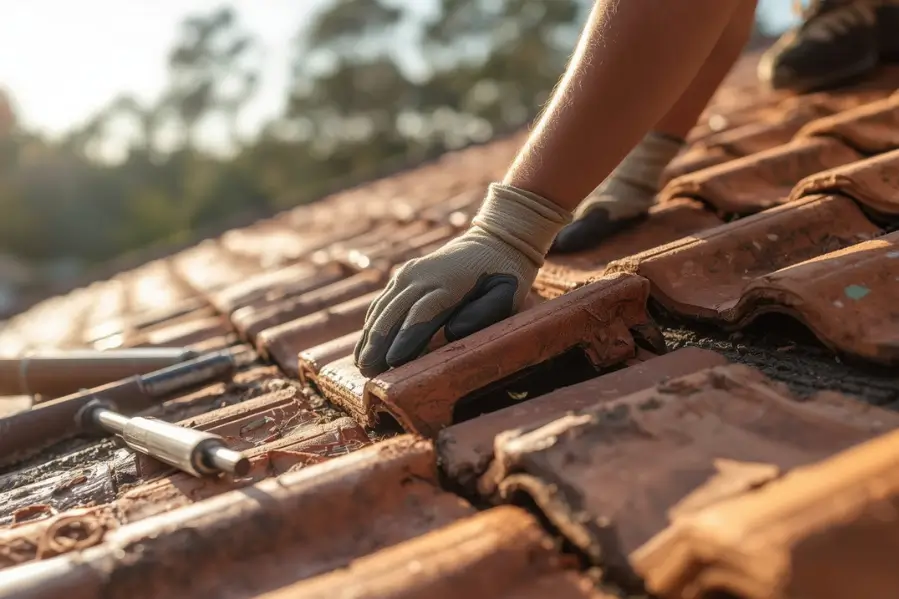
Replacing tiles isn’t complex, but safety should always come first. Follow these steps carefully.
1. Inspect the Roof
Begin by identifying all cracked, chipped, or displaced tiles. Check for any signs of leaks on the ceiling after heavy rain, as these usually align directly with the damaged roof tiles above.
2. Secure Your Safety Gear
Use a roof ladder hooked over the ridge or wear a certified roof safety harness. Never attempt repairs in wet or windy conditions.
3. Remove the Broken Tile
Slide a flat pry bar under the tiles that overlap the broken one. Gently lift them and slide the damaged tile out with care. Avoid applying too much force, as older tiles can be brittle and may crack easily.
4. Clean the Area
Remove debris, nails, or old mortar. A clean surface ensures a proper fit for the new tile.
5. Fit the New Tile
Slide the new tile into position, aligning it with the adjacent rows. Make sure it overlaps the lower row properly for water drainage.
6. Secure the Tile
If required, fasten it using roof clips or nails (depending on your tile system). Some modern tiles interlock, removing the need for extra fasteners.
7. Check for Alignment
Step back and visually inspect the repaired area to ensure all tiles are flush and evenly spaced.
8. Apply Sealant if Needed
In high-wind or exposed areas of Adelaide (like Seacliff or Glenelg), apply a dab of roof-grade silicone sealant for added stability.
For expert help, contact Long Life Roofs, Adelaide’s trusted name for roof replacement, roof repair, and roof restoration services that keep your home protected and looking its best.
What Are the Different Types of Roof Tiles in Adelaide?
Knowing your roof tile type helps you choose the correct replacement.
| Tile Type | Material | Durability | Pros | Cons |
|---|---|---|---|---|
| Terracotta tiles | Natural clay | 50+ years | Aesthetic appeal, great insulation | Expensive, brittle over time |
| Concrete tiles | Cement mix | 40–50 years | Affordable, weather-resistant | Can fade in sunlight |
| Slate tiles | Natural stone | 75+ years | Premium look, long lifespan | Heavy, costly |
| Metal imitation tiles | Steel/aluminium | 30–40 years | Lightweight, durable | Louder during rain |
| Solar roof tiles | Glass/photovoltaic | 25–30 years | Energy generation | High upfront cost |
In Adelaide, concrete and terracotta are the most common due to their durability and heat resistance.
Can You Replace Roof Tiles Yourself or Should You Hire a Professional?
This depends on the extent of damage and your experience level.
1. DIY Replacement Is Suitable If:
- You only need to replace 1–3 tiles.
- The roof slope is gentle.
- You have basic safety gear and tools.
2. Hire a Professional If:
- The roof structure is steep or multi-level.
- You notice sagging or water damage under the battens.
- You’re unsure about tile type or matching colour.
Professional roofers in Adelaide charge roughly $250–$400 for small tile repairs and $80–$120 per hour for more complex jobs. Always verify licensing under the Consumer and Business Services SA guidelines before hiring.
What Safety Precautions Should You Take?
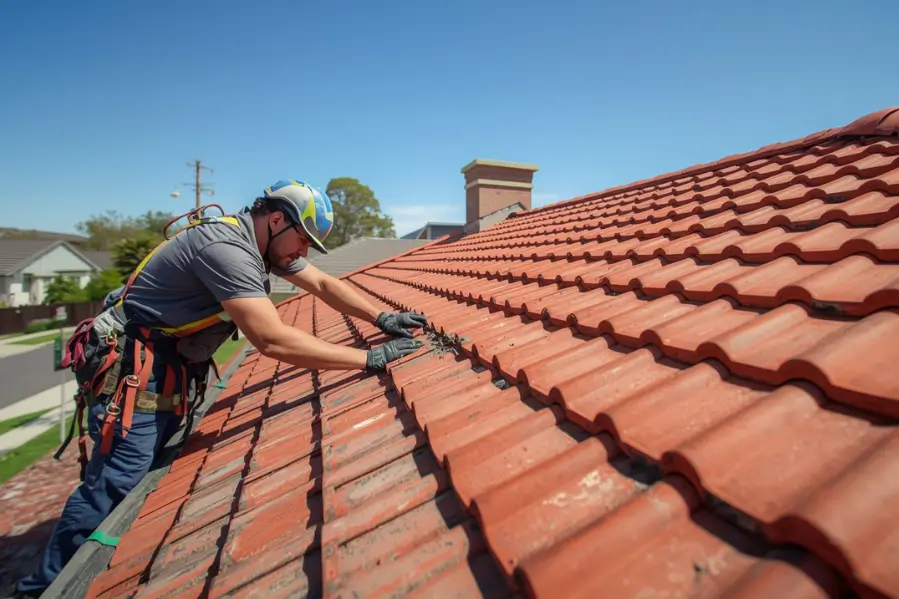
Working on roofs can be risky, especially during Adelaide’s unpredictable weather. Keep these safety tips in mind:
- Never walk on fragile or wet tiles.
- Use non-slip boots and gloves.
- Avoid working alone, always have someone nearby.
- Keep ladders stable and anchored.
- Schedule repairs for dry, cool mornings.
The SafeWork SA website offers comprehensive roof safety guidelines you should review before starting.
How to Match Replacement Tiles Correctly
Even a perfect repair can stand out if the colour doesn’t match.
- Bring a sample tile to your local roofing supplier.
- If exact matches are discontinued, ask for reclaimed or second-hand tiles.
- In some cases, painting tiles with UV-protective coatings can help blend new tiles into old sections.
Local suppliers like Boral Roofing and Monier often maintain Adelaide-specific tile ranges.
What Are Common Mistakes to Avoid When Replacing Roof Tiles?
Even experienced DIYers make avoidable errors.
- Not checking underlay damage – Water may have seeped beneath the broken tile.
- Using mismatched tiles – Creates uneven surfaces and leaks.
- Overusing sealant – Traps moisture and causes decay.
- Ignoring ventilation – Sealing gaps can lead to condensation issues.
How Does Roof Tile Replacement Affect Home Insurance?
In most Australian home insurance policies, normal wear and tear is not covered, but storm or accidental damage usually is. If your roof tiles were damaged during a storm, it is important to contact your insurer before starting repairs, as they may cover part or even the full cost of replacement.
Always take before-and-after photos of the affected area and keep all invoices or receipts from suppliers and contractors. Proper documentation makes the claim process smoother and increases the chances of getting reimbursed.
What Are Sustainable and Modern Alternatives to Traditional Tiles?
With Adelaide’s growing focus on sustainability, eco-friendly roofing is gaining popularity.
1. Emerging Options:
- Recycled concrete tiles – Lower carbon footprint.
- Solar roof tiles – Convert sunlight into energy while protecting your home.
- Cool roof coatings – Reflect sunlight and reduce cooling costs by up to 15%.
According to CSIRO research, reflective and solar-integrated tiles can reduce roof surface temperature by up to 10°C during peak heat.
How to Maintain Your Roof After Replacing Tiles
Proper maintenance can prevent future problems and extend your roof’s lifespan.
- Inspect twice yearly – Especially after storms.
- Clean gutters to prevent blockages and water overflow.
- Check flashing and valleys for cracks or corrosion.
- Remove moss or lichen growth promptly.
- Book a professional inspection every 2–3 years.
If you’re in suburbs like Norwood, Unley, or Burnside, where leafy surroundings are common, cleaning gutters more frequently helps prevent water pooling.
Related Reading
If you found this guide helpful, explore more detailed articles:
These articles explain common roof problems and solutions to help Adelaide homeowners make informed repair decisions.
FAQs About Replacing Roof Tiles
How long does it take to replace roof tiles?
A single-tile replacement takes 15–30 minutes. A full re-tiling project may take 2–5 days, depending on roof size and weather.
How much does a roof tile replacement cost in Adelaide?
Expect to pay between $8–$15 per tile for materials and $250–$800 total for small repair jobs.
Can you replace roof tiles in winter?
Yes, but only on dry days. Avoid repairs during early mornings or after rainfall due to slippery conditions.
What is the lifespan of roof tiles in Adelaide?
Most concrete or terracotta tiles last 40–50 years with proper care.
What is the most expensive part of replacing a roof?
The most expensive part of replacing a roof is usually the labor and installation costs, since roofing requires skilled professionals and safety measures. Materials like tiles or metal sheets also add to the cost, but labor typically makes up the largest portion of the total price.
What is the best time of year for roof replacement?
The best time of year for roof replacement in Adelaide is during late spring or early autumn. The weather is usually mild and dry, which allows roofers to work safely and ensures materials set properly. Avoid the peak of summer and winter when extreme heat or rain can delay the work.
Final Thoughts
Replacing roof tiles is one of the most effective ways to protect your home’s structure and maintain energy efficiency. Whether you handle minor repairs yourself or hire an Adelaide roofing professional, taking quick action can save you thousands of dollars in potential water damage.
Keep your roof clean, inspect it regularly, and use high-quality tiles that are suited to South Australia’s climate. A well-maintained roof not only enhances your home’s appearance but also keeps it safe, efficient, and weatherproof for many years to come.
Leave A Comment